September 22, 2026 Post by : Editorial Historical Fiction
The Orchard in Winter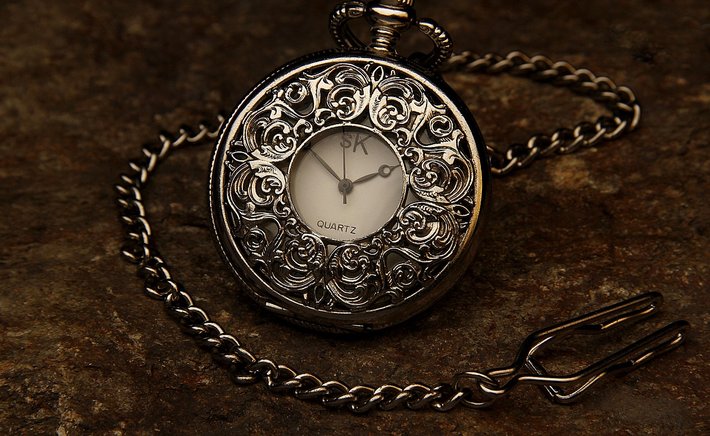
The shop smelled of brass and oil and the faint sweetness of the beeswax her father used on the cases. Clara had grown up in that smell. She could tell the time by the sound of the shop, by which clocks ticked loud and which whispered, by the particular hush that fell when her father was concentrating. She was fourteen, and she could take apart a movement and put it back together blindfolded, and she had been told, in a hundred small ways, that none of it mattered, because the shop would go to her cousin Wilhelm.
It was 1911, and the world was not ready to give a girl a workbench. Her father was not cruel about it. He was simply tired, and old, and he had a way of looking at her over his spectacles that meant he saw her and also saw the wall between them, and did not know how to take it down. She did not blame him. She blamed the wall.
The unfinished clock was at the back of the shop, under a cloth. She had been forbidden to touch it. It was, her father said, a commission he had never been able to complete, and he did not say for whom, and she did not ask. But she had looked at it when he was out. It was beautiful and strange, a mantel clock with a face that had no numbers, only small engraved stars where the hours should be.
The Night She Finished It
Her father fell ill in the spring. The doctor came and went. Wilhelm came and stood in the shop and talked about modern methods and catalogues and did not once touch a tool. Clara sat by her father's bed and read to him, and on the third night, when he was sleeping, she went back to the shop and lifted the cloth.
She understood it at once. The clock was not a clock. It was a gift, made for a woman who had loved the stars, and her father had never finished it because finishing it meant admitting she was gone. Clara knew this the way she knew the sound of the shop, without being told. She sat at her father's bench and began to work.
It took her four nights. She cut the small star for the missing hour. She adjusted the escapement, which was nearly right and just slightly off, the way grief is nearly right. She oiled the pivots. On the fourth night, she wound it, and the clock began to tick, and the stars moved slowly around the face, and the sound it made was not like any clock she had ever heard. It was softer. It was almost a lullaby.
What Her Father Said
She brought it to him in the morning. He was awake, and he watched her carry it in, and he did not tell her to put it back. He looked at it for a long time. Then he looked at her, and for once he did not look over his spectacles. He looked at her directly, the way you look at a person you have finally, after years, decided to see.
"You finished it," he said. It was not a question.
"I did."
He was quiet. Then he said, "I could not." And then, after another silence, "You will."
He died in the summer. Wilhelm came for the shop, and Clara gave it to him, because she did not want it. She took the star clock and the tools her father had left her, and she went to the city, and she opened a small workshop of her own, and she never once told anyone she could not do it. She did not need to. The clocks said it for her, ticking softly, all night long, in a room full of stars.

Author

22 feb,2025
This incident opened my eyes to the value of Insurance in general, so I decided to examine my personal and business insurance.





Comment (3)
The payments are made directly from one person to another without passing through a central bank or clearing house.
22 feb,2025
ReplyThe Tuesday Swap
23 feb,2025
ReplyThe Last Honest Man in the Village
23 feb,2025
Reply