September 19, 2026 Post by : Editorial Magical Realism
The Substitute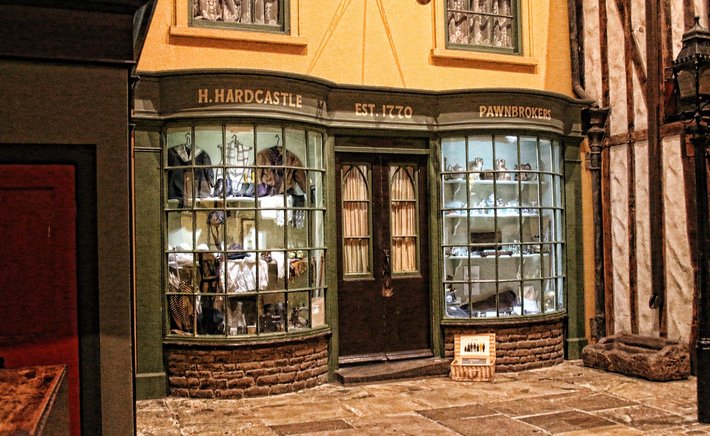
The shop had no sign, only a brass bell that rang whenever someone pushed open the door. Mira had walked past it a hundred times on her way to the bakery, and a hundred times she had told herself she was imagining the faint scent of rain and old paper drifting from beneath the doorframe. But on a gray Tuesday in November, with her coat pulled tight around her shoulders and her heart still bruised from a goodbye she hadn't seen coming, she pushed the door open.
Inside, the shelves were lined with jars. Not the kind you'd find in a kitchen, but glass vessels the size of teacups, each one sealed with wax and labeled in handwriting that looked familiar in a way Mira couldn't place. First Snow, 1998. The Summer of the Broken Bike. A Kitchen at Midnight. An old woman sat behind the counter, knitting something the color of fog.
"You're looking for something specific," the woman said, not looking up. "Most people are. They just don't know it yet."
What the Jars Held
Mira learned the rules slowly, the way you learn the shape of a room in the dark. You could buy a day, but only one you had already lived. The shop didn't invent memories; it preserved them, bottled them, kept them from fading the way memories do. The price wasn't money. It was a trade: one day for another. You gave up a day you didn't want, and in return you got back a day you couldn't stop missing.
She thought of the afternoon her grandmother had taught her to make bread, flour dusting the air like snow. She thought of the last real conversation she'd had with Daniel, before the silences had grown longer than the words. She thought of a hundred ordinary days that had felt like nothing at the time and now felt like everything.
"What would I have to give up?" she asked.
The old woman finally looked at her. Her eyes were the color of tea left too long in the cup. "Something you won't miss until it's gone. That's the trick of it. You never know what a day is worth until you've spent it."
The Cost of Going Back
Mira chose the bread day. She gave up a Tuesday from three years ago, a day she'd spent in traffic and meetings and a fight with a coworker whose name she couldn't even remember now. The trade felt easy, almost generous. The old woman handed her a jar, and when Mira opened it, the kitchen materialized around her, warm and smelling of yeast. Her grandmother hummed at the counter. The afternoon stretched out, slow and golden.
She stayed until the light faded. When she blinked, she was back in the shop, the jar empty on the counter, the old woman knitting again.
"Was it worth it?" the woman asked.
Mira thought about the day she'd given up, the one she'd traded away. She tried to remember it and found only a blank space, smooth as river stone. She had paid with something she thought was worthless and discovered, too late, that even the dull days had been hers.
"Yes," she said, and she meant it. "But I won't come back."
The old woman smiled, just barely. "They all say that."
Mira walked out into the November evening, the bell ringing softly behind her. She didn't look back. But she did stop at the bakery on the corner, and she bought a loaf of bread, still warm, and carried it home like something precious.

Author

22 feb,2025
This incident opened my eyes to the value of Insurance in general, so I decided to examine my personal and business insurance.


Comment (3)
The payments are made directly from one person to another without passing through a central bank or clearing house.
22 feb,2025
ReplyThe Orchard in Winter
23 feb,2025
ReplyThe Substitute
23 feb,2025
Reply